










Singletree Types and Appropriate Traces
A few years ago, I wrote some basic information about typical singletrees, the Hook End and the Sword End, and a little on some metal singletrees. The singletree is a part of the carriage to which the horse is connected through the traces. The style of the singletree is going to dictate the type of traces, or more accurately, the type of trace attachment, which is to be used. I highly encourage you to check out that article, linked above.
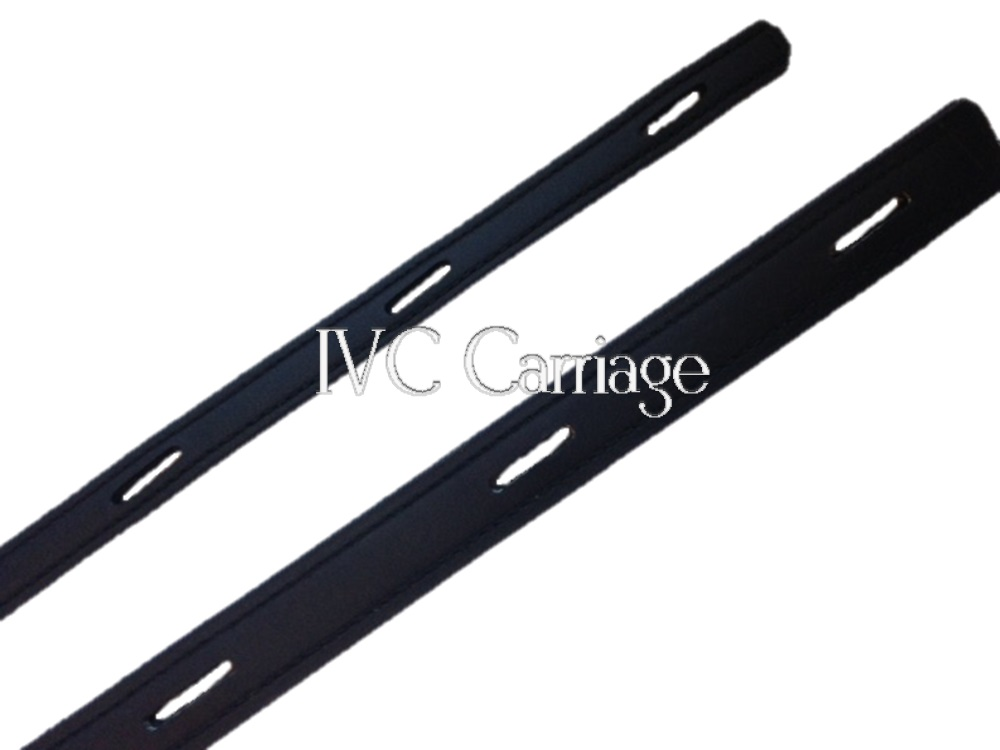
Hook End singletrees or Sword End singletrees are designed to be used with slot-end traces. These singletrees are typically used on lighter, traditional or antique carriages, and some carts, both traditional and modern.


Pigtail singletrees are similar in style to a Hook End, but the “hook” is curled around like a pigtail. These singletrees also require slot-end traces. These singletrees are almost always on modern, metal vehicles.

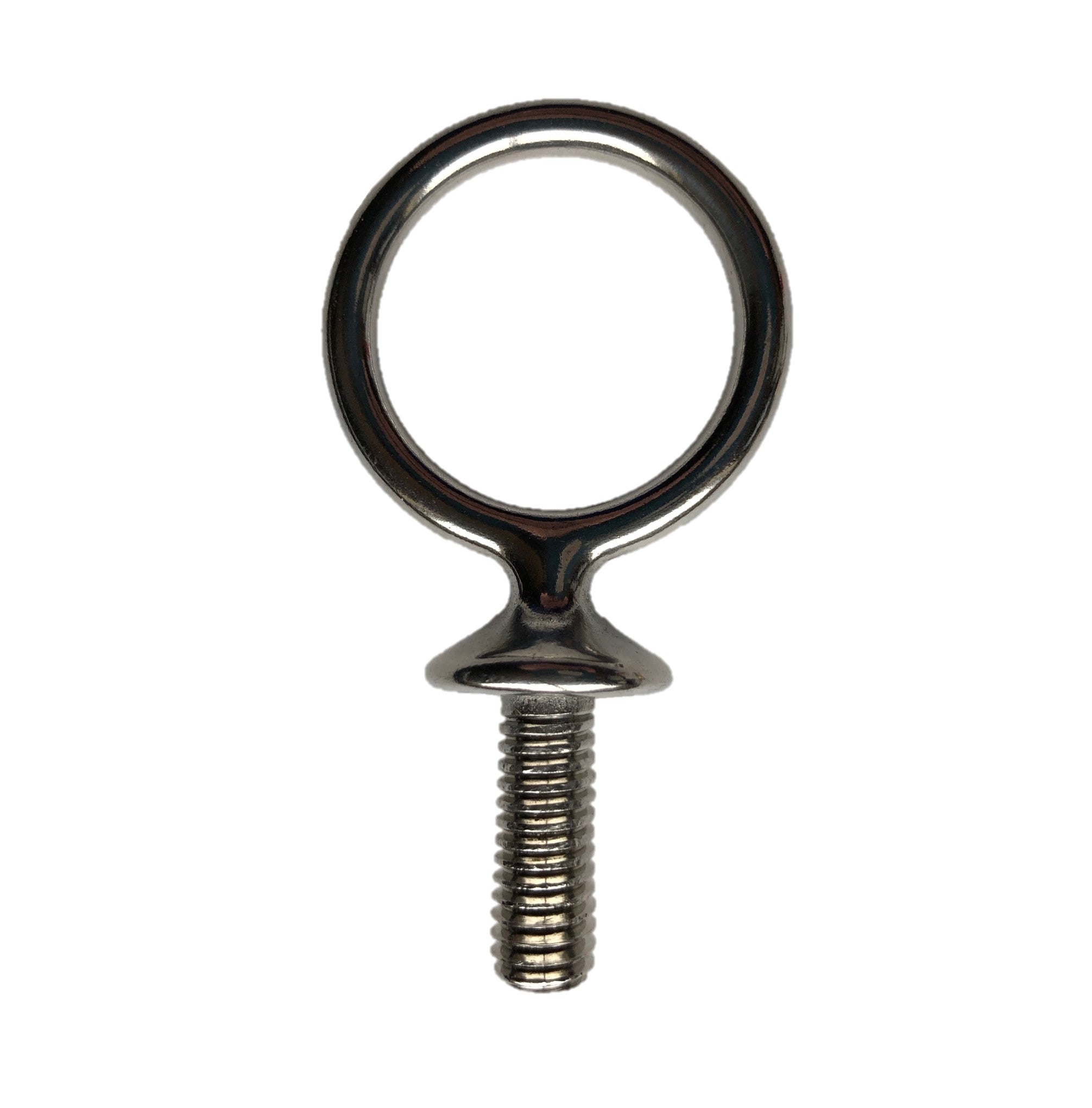
Some metal singletrees can include both pigtail hooks and rings that are used with quick release snap shackles. The thickness of the rings on the singletree is going to dictate the size of the shackles to be used because the shackle bases have to fit over the ring.
Some modern metal singletrees have just a hole in the end for the pin of a snap shackle to be inserted. You need to measure the thickness of the singletree to again determine the size of the shackle to be used, as the base needs to fit around the singletree. This is the only way to use these styles of singletrees.


When using snap shackles on the singletree, ring-end traces are the most logical to attach to the snap shackle. I have put slot-end traces on snap shackles, but it is cumbersome and somewhat defeats the purpose of the quick release shackle. Ring-end traces should NEVER be used on a singletree attachment that does not fully “close,” like a hook. It is too easy for the ring to flop off of the hook. Ring-end traces are only to be used with appropriate snap shackles. Cheap, simple snaps are inappropriate and unsafe to use for pulling. Carabiner-style hardware is also not appropriate, as they cannot be disconnected easily.
There are some singletree ends that are typically seen on draft vehicles. These are meant to be used with chain end traces. The chain end traces are more adjustable with the many links of the chain, but those traces (called “tugs” in the draft horse world) tend to be quite noisy compared to leather or synthetic traces and their attachments.

The last style is the least common, and typically seen on higher end, heavier carriages. The roller bolt singletree needs to be used with roller bolt traces. There is a “conversion” piece, called a Monkey Link, that can be used to convert slot-end traces to roller bolt traces, though.


If you have multiple vehicles with different styles of singletrees, you can understand the benefits of having buckle-in traces on your breast collar. If the traces are sewn to the breast collar, you have to replace the entire breast collar/traces to use the harness with different vehicles. With buckle-in traces, you can just replace the traces! We have a number of different lengths and styles of traces that we can use with certain vehicles. We have vehicles with shafts that range from 70”-90” and we have different traces to go with them. We also have traces that are Duel-End, having both rings and slots to be able to be used with both hook end singletrees and snap shackles without having to replace the traces.


Most of the time, it is easier to replace the traces than it is to replace the singletree on the vehicle to go with your harness. As mentioned above, there are some converters that can be used to convert the traces for your singletree, however, you also have to remember that some converters will add length to the traces, so you have to make sure that they will work with your horse and harness, and not make the traces too long. Ideally, you have the correct length trace and the correct trace attachment to go with each particular vehicle you intend to use.


Before you purchase a vehicle, I highly recommend that you check out the style of the singletree and the length of the shafts to make sure that your harness will work with the vehicle. While you, again, can purchase different traces, there may be a “waiting period” that you will have to bear while your traces are being ordered or constructed, and you may not get to drive your vehicle right away if you don’t have the right length and style of traces.
- Choosing a selection results in a full page refresh.